There’s something about stepping outside on a sunny morning when you’re trying to get your life back together that feels different from trudging through snow to get to a therapy appointment. It sounds almost too simple to matter, but scientists have been looking into how the environment affects recovery from addiction, and the results are pretty interesting.
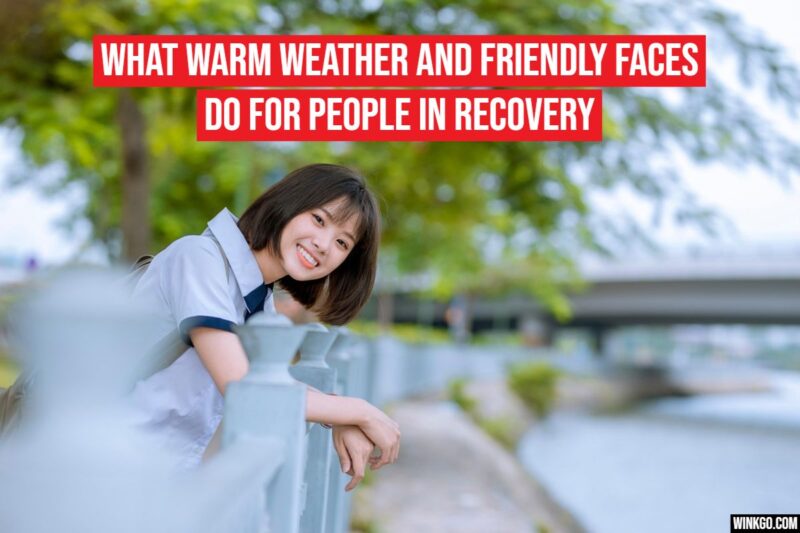
The weather where someone gets treatment might seem like the least important factor when they’re dealing with serious addiction issues. But it turns out that climate, along with the general attitude of the people around you, can actually play a bigger role in recovery than most people realize.
How Sunshine Actually Changes Your Brain Chemistry
When people are dealing with addiction, their brain chemistry is already pretty messed up. The substances they’ve been using have been hijacking the natural reward systems, and early recovery often involves feeling pretty terrible while those systems try to rebalance themselves.
Here’s where sunshine comes in (and this isn’t just feel-good nonsense). Sunlight exposure helps regulate serotonin production, which affects mood, sleep, and overall sense of well-being. People in recovery often struggle with depression and anxiety, partly because their brains are trying to figure out how to feel good without drugs or alcohol. Natural sunlight gives the brain a little boost in producing those feel-good chemicals naturally.
The vitamin D angle matters too, though it’s more complicated than just taking supplements. When your body makes vitamin D from sun exposure, it also produces other compounds that seem to help with mood regulation. Many people struggling with addiction have pretty low vitamin D levels to begin with, so getting some natural production going can be helpful.
But here’s the thing – you can’t just sit in the sun and expect it to cure addiction. What warm weather does is create an environment where other parts of recovery become a little easier. It’s harder to feel motivated to go for a walk or spend time outdoors when it’s freezing and gray outside.
The Social Side of Warmer Climates
Recovery happens in relationships, not in isolation. And warm weather tends to make people more social, more likely to spend time outside together, and more willing to have conversations with strangers. This creates more opportunities for the kind of social connections that support recovery.
Think about it – when the weather’s nice, people sit on porches, walk in parks, eat meals outside. These are natural opportunities for casual social interaction that don’t revolve around bars or other places where drinking and drug use happen. Recovery programs based in warmer regions often find it easier to organize outdoor activities and group meetings because the weather cooperates more often.
Programs such as Legacy Healing’s Georgia drug treatment centers have noted that clients seem to engage more readily in outdoor therapy activities and group sessions when the weather allows for comfortable outdoor time year-round. The consistent climate removes weather as an excuse for avoiding activities and helps maintain a routine more easily.
The social aspect goes beyond just treatment programs, though. When someone’s in recovery, they need to rebuild their social life around activities that don’t involve substance use. Warm weather creates more options for this – hiking groups, outdoor sports, gardening clubs, farmers markets, beach volleyball, whatever. Cold climates can do this too, but it requires more planning and specific gear, which can be barriers when someone’s already dealing with a lot.
Cultural Warmth vs Climate Warmth
This is where things get interesting in places like the South. There’s the actual temperature, but there’s also this cultural thing about hospitality and friendliness that can really impact someone’s recovery experience.
The stereotype about Southern hospitality exists for a reason – there’s generally more of an expectation that people will be friendly to strangers, offer help when needed, and include newcomers in community activities. For someone who’s lost a lot of relationships due to addiction, this kind of cultural environment can be incredibly healing.
But it’s not all positive. Some of these same cultures can also have pretty strong drinking traditions, which creates challenges for people in recovery. The key is finding communities within these warmer regions that balance the cultural warmth with understanding about addiction recovery.
The Practical Side of Warm Weather Recovery
When you’re not spending mental energy on things like heating bills, winter clothes, seasonal depression, or whether your car will start in the cold, you have more emotional bandwidth for working on recovery. It sounds minor, but these daily stressors add up.
Warm weather also means more consistent routines. Exercise becomes easier when you don’t need to worry about ice or extreme temperatures. Sleep patterns tend to be more stable without the dramatic seasonal light changes that happen in northern climates. Even something as simple as getting to appointments becomes less complicated when you’re not dealing with snow and ice.
People in recovery often benefit from having structure and routine, but they also need some flexibility when they’re having a rough day. Warm weather provides more options – you can sit outside when being indoors feels suffocating, you can go for a walk at pretty much any time, you can change your environment without needing to bundle up or plan around weather conditions.
The Limits of Weather as a Recovery Factor
Now, let’s be realistic here. Plenty of people get sober in Minnesota and stay sober in Seattle. Climate isn’t magic, and it’s definitely not the most important factor in recovery success. The quality of treatment, the person’s support system, their readiness to change, access to ongoing care – all of these matter way more than temperature.
Some people actually do better in cooler climates because they’re less tempted by outdoor party scenes or they prefer the coziness of indoor environments. And warm weather can create its own challenges – higher rates of dehydration, more outdoor events centered around drinking, and easier access to drugs in some areas.
The research on this stuff is still developing, but what seems clear is that environment matters as part of a comprehensive approach to recovery. It’s not that warm weather cures addiction, but it can remove some barriers and create some advantages that make other recovery work a little easier.
Making Environment Work for Recovery
Whether someone’s in recovery in Georgia or Maine, the key is being intentional about how to use the local environment to support their goals. In warm climates, this might mean taking advantage of year-round outdoor activities, vitamin D production, and social opportunities. In cold climates, it might mean creating cozy indoor spaces, embracing seasonal activities, and being extra attentive to mood during darker months.
The best recovery environments are the ones where people can build healthy routines, maintain social connections, access good treatment, and feel hopeful about their future. Sometimes that happens to coincide with warm weather and friendly people, and sometimes it doesn’t. But when it does, it’s worth recognizing how these environmental factors can support the much harder work of changing your relationship with substances and rebuilding your life.
Please share how warm weather and smiling faces can help people recover faster with your friends and family.